


Mull: South (south of Gruline – Salen line, inc. Iona)
Mull is one of Scotland’s most popular island destinations – and for good reason. The island is packed with wildlife, fascinating geology, mouth-watering seafood restaurants, beaches and more. It’s easily accessible too – the ferry is under an hour from Oban and even less from Ardnamurchan. Many families will be familiar with Tomermory, the island’s largest town, from the children’s TV show Balamory – and the colourful waterfront houses certainly are an attraction to the island. But there’s so much more to Mull than this, and that’s what brings people back year after year and makes the island one of many people’s favourite holiday destinations. This page covers the south of Mull and Iona – look here for the north of Mull including Saffa and the Treshnish Isles.
Mull is famous for its wildlife including sea eagles, otters, whales, dolphins and basking sharks. During the summer months, marine mammals descend on the waters around the Inner Hebrides, including Mull, to feed on the plankton in these rich waters. Many boat trips will take you out and around the islands to spot wildlife – or if you’re lucky, you might even see it from the shore! You can catch a boat from Salen, or if you’d rather stay on land, you can take a minibus tour from Pennyghael on the southern shore of Loch Scridain and a wildlife watching expert will help you spot otters, eagles and more.
Just off the coast of Mull’s southwestern corner, Iona is the site of a famous Abbey founded by St Columba, who brought Christianity to Scotland. The island is just 3 miles long and home to 120 permanent residents, but is a popular destination for tourists to Mull who come to explore the fascinating Abbey and learn more about its history.
At the western end of the Ardmeanach Peninsula, a fascinating geological feature can be found. A 12 meter tall fossil impression of a tree can be seen embedded in the basalt columns of the cliff face. This is the most famous of several fossil trees on Mull, which are through to be the last remains of a forest that was covered by a lava flow around 60 million years ago! The tree is only accessible by a how long walk, including a climb down a ladder fixed to the cliff, so can only be accessed by those fit and able to tackle this.
Ben More (‘the big mountain’) is Mull’s highest point at 966 meters and is accessible by a day hike of round 6 hours. The views from the top are spectacular, looking out over the sea and surrounding islands.
We could go on! Mull is jam packed full of things to do, see, eat and experience. Many people come back time after time – and there’s still always more to discover. Summer is the perfect time to visit, with wildlife out in force and long days to allow even more time for exploring. It’s also the perfect place to start your island hopping, exploring Iona, the Treshnish Isles and more – or hop up the coast to the wonderful, remote Ardnamurchan.
Geographical Location
Isle of Mull
Community Website
isle-of-mull.net
Search True Highlands
Follow True Highlands
Marsi Morrow

Glencoe & Glen Etive

Lismore

Oban

Seil, Luing & Islands

Lochgilphead

Tarbert

Inveraray

Campbeltown

Isle of Arran - South

Isle of Arran - North

Bute

Arrochar

Coll

Tiree

Mull - South

Mull - North

Colonsay & Oronsay
Rum
Muck
Eigg
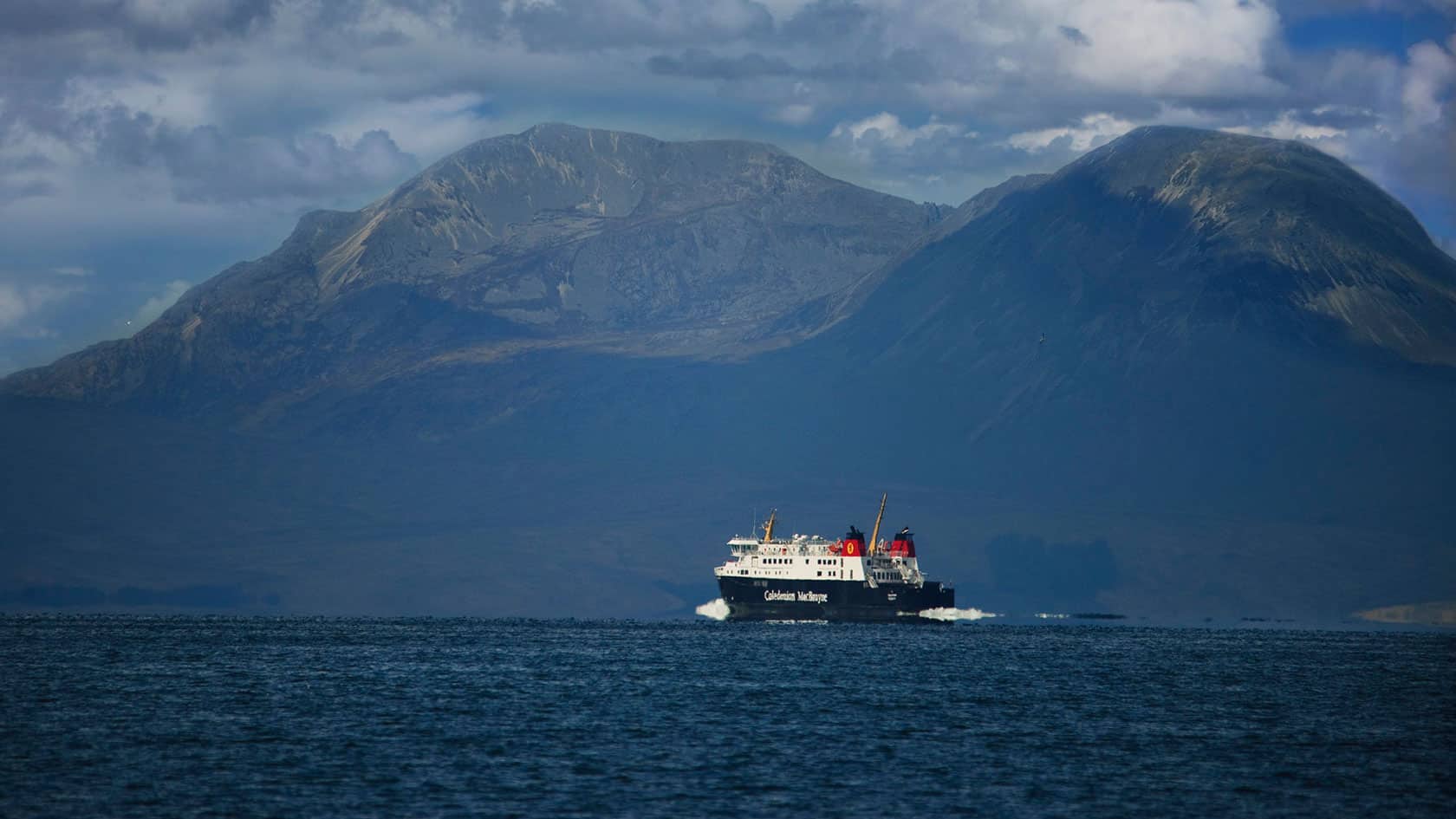
Jura
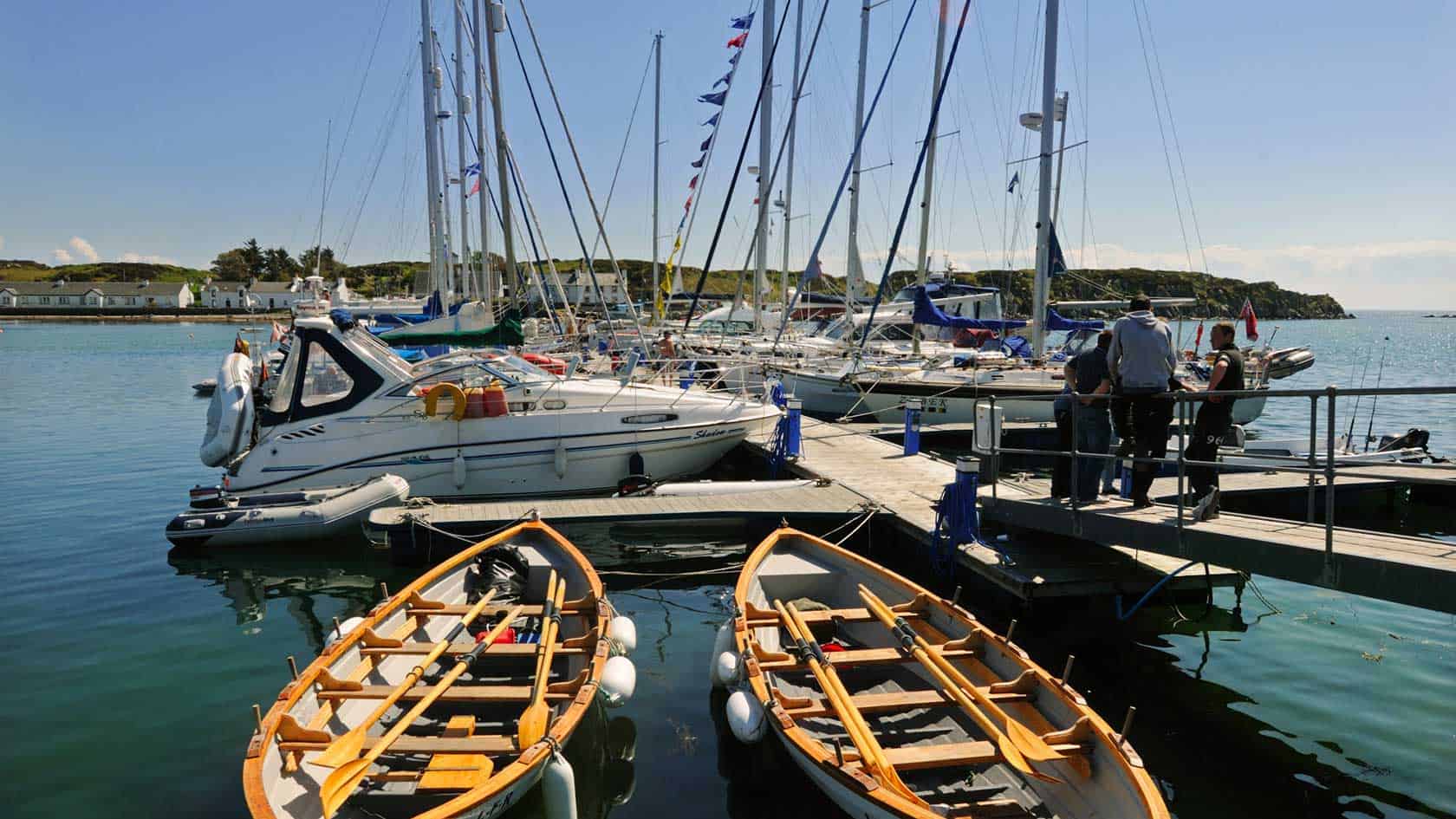
Islay
Join Us
Become A True Highlander
Do you have a Scottish Business that you are passionate about and think visitors to our beautiful country will enjoy?
